
Cancer is by far one of the most heavily publicised, heavily scrutinized and highly feared diseases prevalent out there today.
We’ve all heard stories, or perhaps we’ve had loved ones who suffered from it, and witnessed first hand just how debilitating its effects and repercussions can be.
From the losing of hair due to chemotherapy, to the overall weakening of your body – the slow, gradual and painful effects that come from cancer are calamities that should not have to be experienced by anyone in any lifetime, but sadly, it still sits as one of the most common types of diseases out there today.
There are plenty of cancers available – from breast cancer, skin cancer, lung cancer and everything in between – and there’s definitely no way a simple Senior Healthy blog post can solve one of the world’s greatest epidemics in today’s day and age.
What we can do however, is shed light on some of the routines, habits and practices you can implement in your day-to-day life to minimize the chances of you contracting cancer in the first place.
As with any post here at Senior Healthy, we place a strong emphasis on nutrition and the seamlesslness it should afford your lifestyle, so we hope with that framework in mind, you’ll be able to glean some facts and information to help you with your battle against cancer. Let’s begin.
Cancer Fighter #1: Fruits And Vegetables
If you’ve been reading the other articles on nutrition here at Senior Healthy, you would notice that there are plenty of parallels between healthy foods across all types of ‘diets’ tailored to solve specific types of diseases.
Whether you’re trying to prevent heart disease, arthritis, or cancer, you can definitely spot the patterns between foods and recipes and understand just how all of them co-relate to one another. Two of such foods are fruits and vegetables.
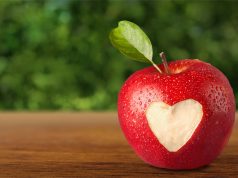
Plant-based foods are rich in nutrients that boost your immune system and help protect against cancer cells, while also being one of the best sources for antioxidants – which are responsible for helping the cells in your body function properly.
Implementation
Those benefits are great and all, but just how do you add this to your diet? You should know by now that we do not like the term ‘diet’.
Instead, we choose to focus on implementing changes to your nutritional lifestyle, to make it a sustainable, long-term approach to health as opposed to a one-off, temporary ‘diet’.
With that in mind, here are a couple of quick tips to help you implement this strategically and seamlessly into your everyday life:
For breakfast, adding a few fruits such as strawberries/blueberries or a few seeds and nuts to your whole grain cereal/oatmeal can go a long way in protecting your health.
For lunch, as an appetizer, throw in a quick salad filled with your favourite green leafy vegetables or beans/peas before proceeding to your main meal. This will help to curb your hunger (preventing you from overeating in your main meal), while also providing you with the daily vegetables you need in your diet.
For dinner, simply add a couple of frozen veggies to your main dish. I understand that most of us are probably a little tired at the end to the day to really care about nutrition at all by that point, but adding those frozen veggies honestly does not take very long, and will give you the added nutrients you need from them.
If you’re up for it, throw in a nice mix of fresh fruit in between meals or as your supper if you really have the urge to satisfy your sweet tooth for the day.
Benefits
To make it more applicable to your situation, here are the in-depth, specific benefits for each type of food:
- Diets high in fruit = may lower risk of stomach and lung cancer
- Non-starchy vegetables (brocolli, spinach, beans etc) = may help protect against somach and esophageal cancer
- Vitamin C – filled foods (oranges, berries, peas, dark leafy greens etc) = may help protect against esophageal cancer
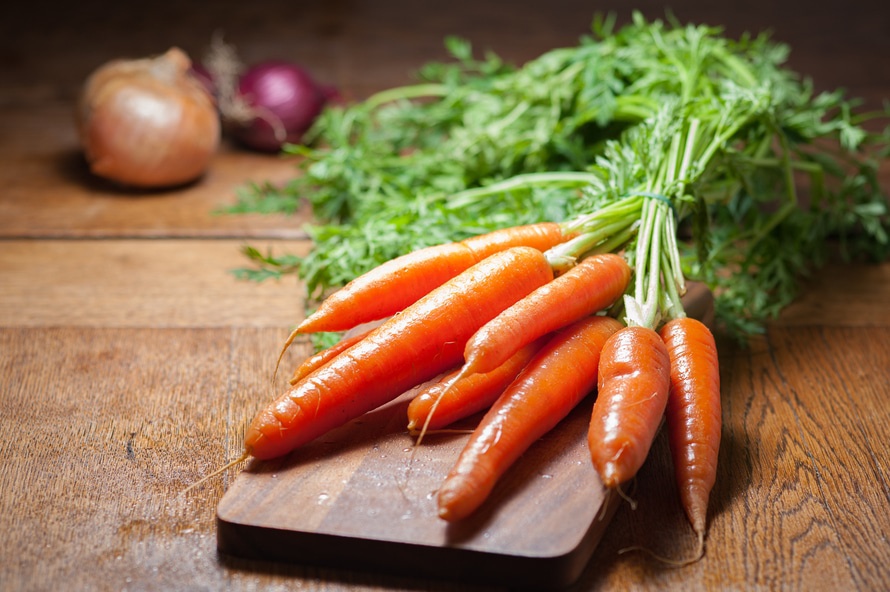
- Vegetables containing carotenoids (carrots, brussel sprouts, squash etc) = may help reduce the risk of lung, pharynx, larynx and mouth cancers
Cancer Fighter #2: Fiber
The beautiful thing about plant-based food is that it also has built-in fiber benefits, and for our fight against cancer, we definitely need as much of it as we can get.
Essentially, fiber helps to keep your digestive system clean and healthy. Apart from helping other foods move smoothly through your digestive tracts, it also aids in moving cancer-causing compounds out before they can create harm.
Implementation
To add more fiber-rich foods seamlessly into your diet, it simply requires some carefully-thought-out and methodical replacements of certain foods that you eat every day.
Once again, we’re going for seamlessness, and approaching this as a lifestyle with the long-term in mind; if we simply jump from one end of the diet spectrum to the other, there’s no way we will be able to sustain such a drastic shift in our diet over the long-run.
Instead, elect to gradually replace your current foods with some of these healthy high fiber, cancer-fighting foods:
Whole grains: oatmeal, whole-wheat pasta, raisin bran, brown rice, whole grain/whole wheat bread, barley, oat bran muffins
Fruits – We’ve already covered some of these in the previous section, but we’ll list more just for good measure: strawberries, blackberries, raspberries, apples, pears, bananas, mango, citrus fruits, dried fruits, prunes, raisins
Vegetables – We’ve also touched on this earlier, but we can’t be too safe right!? 🙂 : spinach, brocolli, peas, dark green leafy vegetables, carrots, tomatoes, corn, brussel sprouts
Legumes: black beans, split peas, lima beans, baked beans, kidney beans, chick peas, navy beans, pinto, lentils
Here are some specific recommendations you can use as alternatives to your nutrition:
- White Rice > Brown Rice
- White Bread > Whole Grain Bread
- Potato Chips > Popcorn (in moderation)
- Fried Potatoes > Baked Potatoes
- Fried Chips > Fresh Carrots, Celery, Bell Peppers With Hummus/Salsa
- Ground Meat (usually in chilli, tacos, casseroles etc) > Beans
Note: It is absolutely crucial that you drink plenty of water if you were to implement these changes. You should already be drinking water religiously in whatever diet you’re currently in anyway, but in the case of fibers, they absorb water more actively thus, the more the need for you to up your water intake.
On top of that, water is essential for fighting cancer, as it aids in removing toxins from your body, transports nutrients to all of your organs and stimulates the immune system.
Conclusion
There is a wide array of food out there designed to help you prevent and mitigate cancer, and a simple blog post like this will definitely not be able to do justice to that.
Senior Healthy will probably revisit this topic again, and provide you with more information on the other types of foods you should be avoiding (red and processed meat for example), as well as how to specifically choose certain foods for certain macro nutrients (how to choose your fats wisely etc).
Cancer is definitely not a laughing matter, and should not be taken lightly. Although it does affect people of all ages, they tend to be more prevalent especially when one ages, so take heed of the warning signs should you come across any (which we aim to cover in a separate blog post as well), exercise regularly and watch your nutrition closely.
With all these factors firmly set in place, if and should cancer decide to strike, we will be more than prepared to give it a good fight and one hell of a run for its money. 🙂